
What Should You Do During a Boil Water Notice in Port St. Lucie?
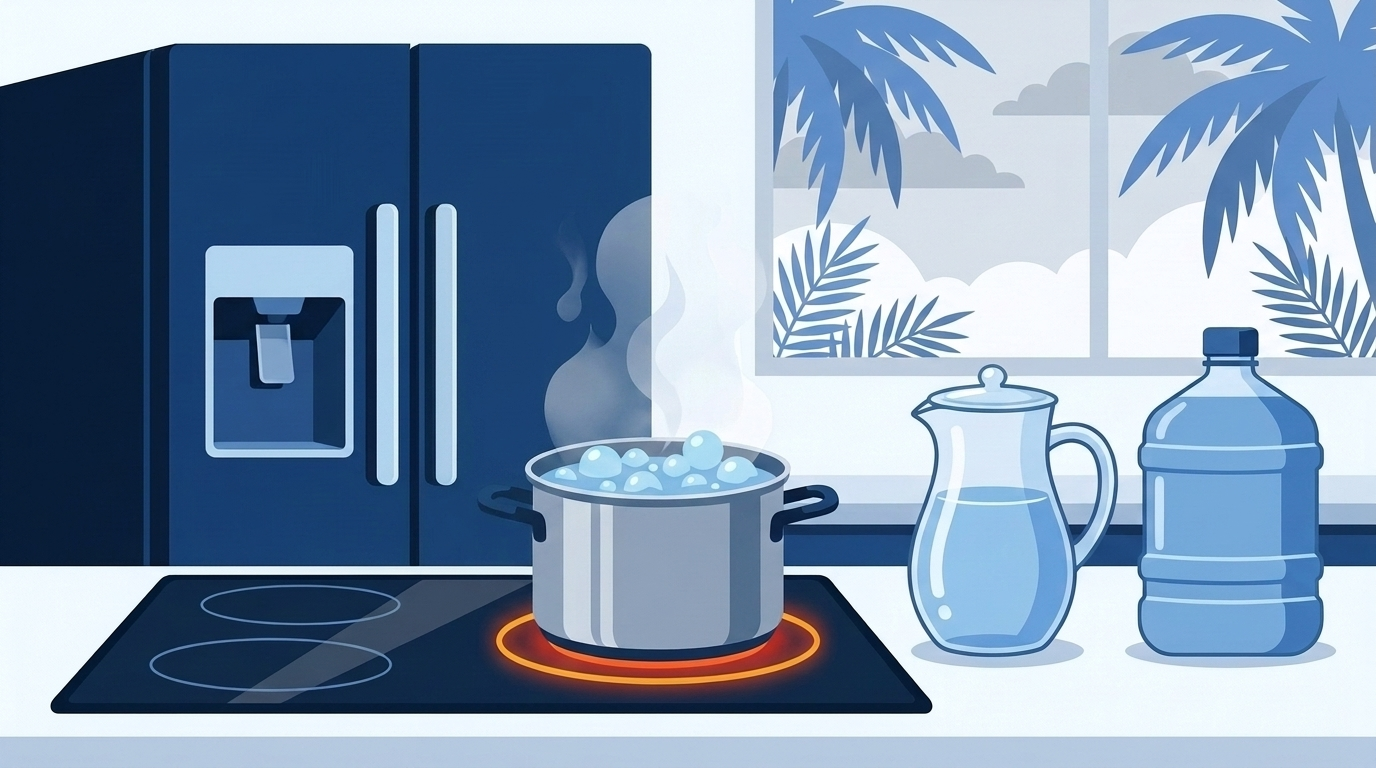
During a boil water notice in Port St. Lucie, boil the tap water you drink or cook with, or use bottled water, and keep using the tap for washing with care. That is the split in the template notice the Florida Department of Environmental Protection (DEP) publishes for water systems to send their customers, and the boil it gives is one minute at a rolling boil. If your notice asks for longer, follow your notice, and keep at it until your water utility says the notice is lifted.
Why Do Boil Water Notices Happen in Port St. Lucie?
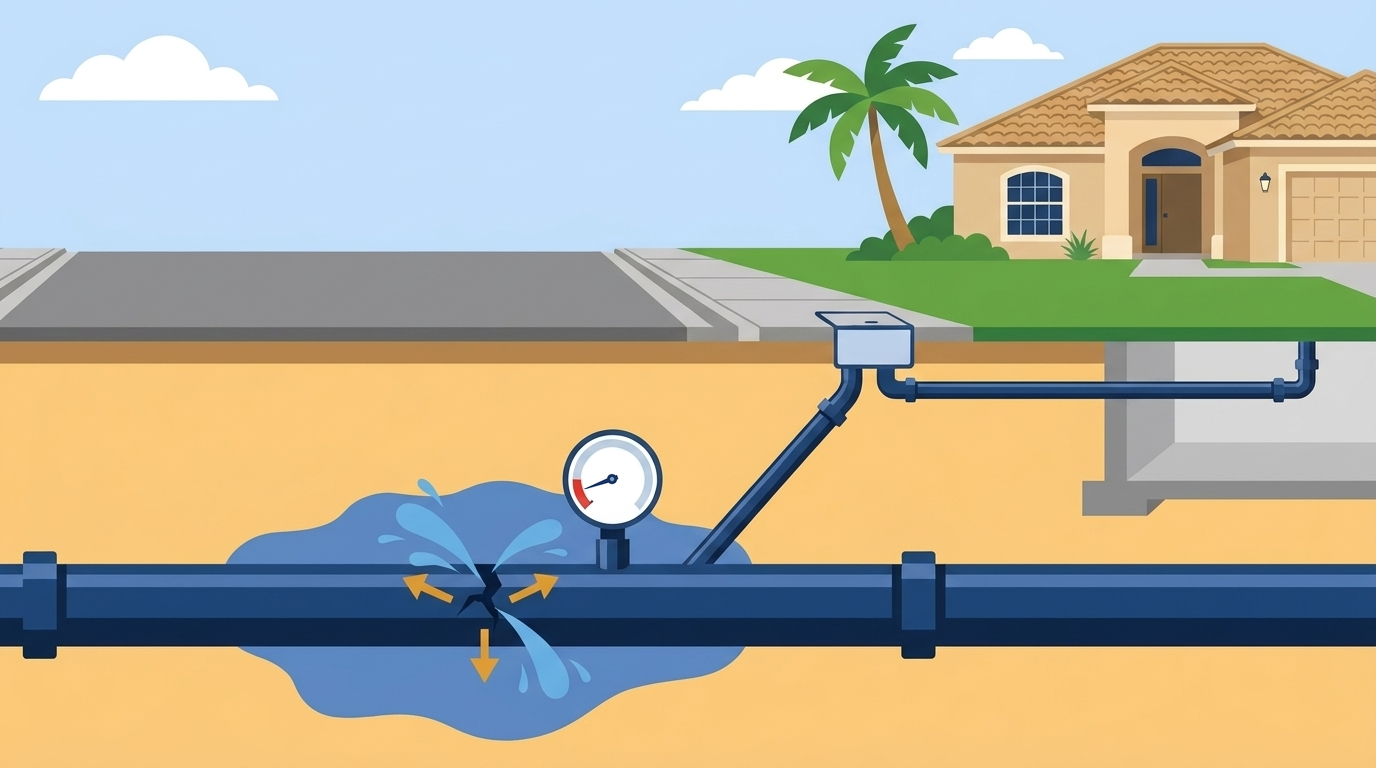
The City of Port St. Lucie ties them to water pressure: its storm preparation page says that if distribution system pressure drops below 20 psi during a storm, a precautionary boil water notice is issued, and that a drop in pressure may be caused by a line break, equipment failure or generator failure.
DEP's template explains why pressure matters: it keeps pollutants from entering the underground pipes that bring drinking water to your house, and when the pressure is lost, contaminants can seep into the pipes, so disinfecting tap water or using bottled water is a precaution against any bacteria or viruses that may have entered the water.
For example, as Hurricane Milton approached in October 2024, the City issued a notice effective at 8 p.m. on Oct. 9, out of concern that the weather might damage its water mains, and encouraged residents to store tap water before then.
If the City supplies your water, the notice comes from the City. In St. Lucie West, it comes from the St. Lucie West Services District (SLWSD), which posts its advisories on its boil water page. In May 2019, a major water break dropped pressure below 20 psi at the furthest point of SLWSD's system for about an hour, and SLWSD issued a district-wide precautionary notice.
The City's storm page says its water customers will be notified when a notice is issued. The Florida Department of Health's guideline on precautionary boil water notices requires a notice to reach the public as soon as possible and no later than 24 hours after the water system learns of the problem, so word can lag.
A notice comes from your water utility and goes to its customers. If your home is on a private well and floodwater has reached it, the Florida Department of Health's brochure What Should I Do if My Well Is Flooded? covers boiling, testing and disinfecting it, and our post on how long a well pump lasts covers the pump. Before a storm, our guide to turning off the water to your house in Port St. Lucie covers the main valve.
What Can You Use Tap Water for During a Boil Water Notice in Port St. Lucie?
Washing, with care. Anything you consume takes boiled or bottled water, and DEP's template counts brushing teeth, washing fruits and vegetables and homemade ice as consumption, alongside drinking and preparing food or drinks. The Florida Department of Health in Hillsborough County (DOH-Hillsborough), in the Tampa area, answers a few more in its boil water FAQ:
- Coffee: DOH-Hillsborough says to brew it with boiled or bottled water, coffee maker or not.
- Ice: DOH-Hillsborough says to discard ice cubes made with water that should have been boiled, and not to eat food made with that water unless it is reheated.
- Pets: "To be on the safe side, yes," is DOH-Hillsborough's answer on boiling their water.
- Baby formula: the CDC's drinking water advisory guidance says to provide ready-to-use formula if possible.
The Florida Department of Health's guideline says the CDC and the EPA have indicated that a rolling boil for one minute is sufficient to make drinking water microbiologically safe. If your notice asks for longer, follow the notice. DOH-Hillsborough adds the cooling step: let the water cool before you use it, which can take 30 minutes, so boil a batch ahead and you will not be tempted to use it hot and risk scalds or burns.
If you cannot boil water, DEP's template gives a bleach method, conditions first: use common unscented household bleach with 5% to 8% active ingredients, and food-grade containers. DEP's template then says to add 8 drops of the bleach, about 1/8 teaspoon, to 1 gallon of tap water, or 16 drops, about 1/4 teaspoon, if the water is cloudy, shake it, and let it stand for 30 minutes before drinking, when there should be a slight chlorine odor.
If your bleach label gives its strength, you can dose by it, following the EPA's emergency disinfection guidance. Use only regular, unscented liquid bleach that the label says is suitable for disinfection, never a scented, color safe or added-cleaner product, and use fresh bleach or bleach stored at room temperature for under a year. If the water is cloudy, let it settle and filter it through a clean cloth, paper towel or coffee filter first. With a clean dropper, add 8 drops of 6% bleach, or 6 drops of 8.25% bleach, to each gallon, and double that if the water is cloudy, colored or very cold. Stir and let it stand 30 minutes; if it does not have a slight chlorine odor by then, repeat the dose and let it stand another 15 minutes. If your notice gives a different dose or wait, follow your notice.
Tap water can still be used, with care, for:
- Showers, baths, shaving and washing: DEP's template allows them so long as care is taken not to swallow the water or get it in your eyes, nose or mouth, and it says to supervise children's and disabled individuals' baths so no water is swallowed, and to keep time spent bathing short. Though DEP's template calls the risk of illness minimal, it says anyone with a recent surgical wound, a weakened immune system or a chronic illness may want to consider bottled or boiled, cooled water for cleansing until the notice is lifted.
- Laundry: "Yes, it is okay to do laundry," says DOH-Hillsborough.
- Dishes: DOH-Hillsborough says to use a dishwasher only if your model has a sanitizing cycle. By hand, DOH-Hillsborough says to wash in hot, soapy water with one tablespoon of bleach per gallon added as a precaution, then rinse in water that was boiled and cooled.
Does a Water Filter or Softener Mean You Can Skip Boiling in Port St. Lucie?
No. The CDC's drinking water advisory guidance puts it plainly: "Boil your tap water even if you filter it," and that includes water that has been through a home water filter or a pitcher that filters water.
DOH-Hillsborough explains why: most point-of-use filters, the kind on a faucet or in a refrigerator, are designed to improve the taste and odor of water, not to remove harmful bacteria, so it says to check the manual or contact the manufacturer, and if in doubt, to boil your water or use bottled water.
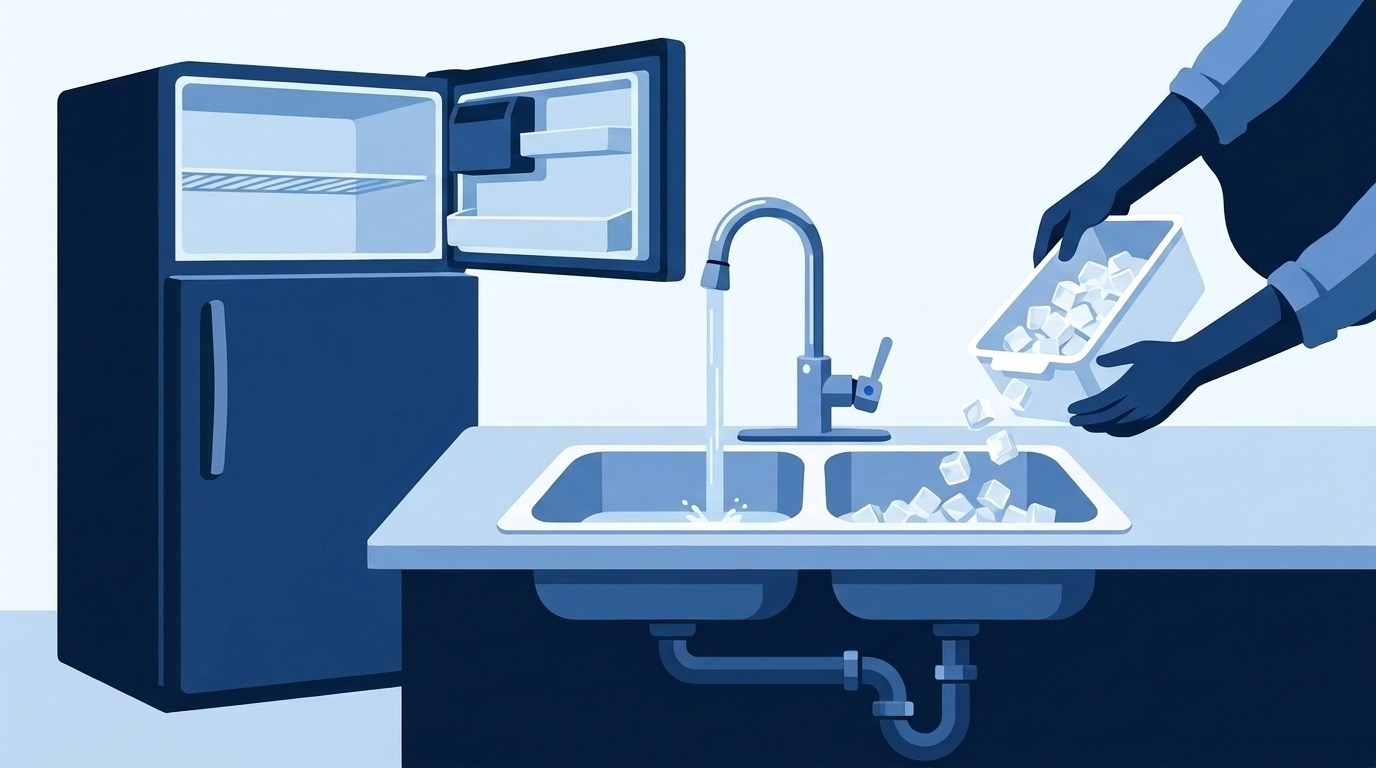
The fridge is off-limits too. During any type of drinking water advisory, the CDC says not to drink or use water from appliances connected to your water line, which includes the water and ice dispensers in your refrigerator or freezer.
A softener is no substitute either. The treatments DEP's template lists are boiling, unscented bleach, and purification tablets or iodine used by their own directions, with bottled water as the alternative; neither a softener nor a filter is among them.
How Long Does a Boil Water Notice Last in Port St. Lucie?
It varies: a notice ends on test results, not a set date. DEP's template tells customers that once the water system is repaired and the pressure is restored, the notice stays in effect for one to several days while bacteria tests are conducted, that it is lifted only after tests prove the water is safe to drink, and that it may be lifted in sections as each area's pipes are cleared.
The Florida Department of Health's guideline sets the minimum for lifting one: at least one day of representative bacteriological sample results, with at least two samples for a water main break, one upstream and one downstream, plus disinfectant levels and other readings showing the water is safe to drink, and the concurrence of the Department of Health or the DEP district office. After an unsatisfactory first day, the Department of Health's guideline requires two consecutive days of satisfactory results.
For example, the March 2023 Tradition notice, after a contractor hit a large water main, was announced by the City as a precautionary 48-hour notice; it was issued on a Friday and lifted Sunday morning. SLWSD's May 2019 notice was lifted the Tuesday morning after a Sunday break.
The Department of Health's guideline also requires a precautionary notice to say that consumers will be officially notified when it is lifted, and to give a phone number for questions. To check on a City notice in the meantime, call the City's Utility Systems Department at 772-873-6400; in St. Lucie West, check SLWSD's boil water page. Until then, keep boiling.
What Should You Flush After a Boil Water Notice Is Lifted in Port St. Lucie?
Your taps and your ice, once your water utility says the notice is lifted. DEP's template closes its paragraph on lifting with two steps: flush your taps and dispose of ice made during the notice.
Two Florida county lists go further, both from the Tampa Bay area rather than St. Lucie County. DOH-Hillsborough gives its list under its section on mandatory notices, which it calls rare and says are issued when a microbiological contaminant is known to exist in the water above the allowable level. Pinellas County's October 2024 guide is for its own utility customers. The table shows both; DOH-Hillsborough's list also covers drinking fountains, run for one minute.
If you are still unsure about a refrigerator or faucet filter, ask its manufacturer. For a softener's regeneration cycle, DOH-Hillsborough points to the owner's manual. We do water treatment, and our water filtration and softener service is the place to start with that equipment, which is for everyday water, not for a notice.
For the water heater, Pinellas County's guide says flushing your cold water taps also makes it safe to use, with no separate flush. Draining a tank to clear sediment is a different job, covered in our post on how often to flush a water heater.
If the water runs cloudy or discolored afterward, Pinellas County tells its customers to report it. In Port St. Lucie, the City's notices point customers with a prolonged loss of water pressure or any other water-related issue to its Utility Systems Department.
| After the notice is lifted | DOH-Hillsborough, after a mandatory notice | Pinellas County, October 2024 guide |
|---|---|---|
| Cold water taps | Run all at once for one minute, at the highest flow that does not splash or flood the drains | Run every tap for at least five minutes |
| Ice maker | Make three batches of ice and throw them out | Make one batch and throw it out |
| Refrigerator filter | Change it | No need to replace or clean it (the same for under-sink and other filters) |
| Water softener | Run a regeneration cycle, following the owner's manual | Not mentioned |
| Water heater | Not mentioned | No separate flush; flushing the cold taps covers it |
| Dishwasher and washing machine | Not mentioned | No special cleaning needed |
| Pet bowls | Not mentioned | Wash with soap and water before refilling |
The Bottom Line on Boil Water Notices in Port St. Lucie
In Port St. Lucie, a notice comes from your water utility, such as the City or, in St. Lucie West, SLWSD. While it lasts, boil the water you drink, cook with or brush your teeth with for one minute, as DEP's template says, or longer if your notice says so, or use bottled water. Shower and do laundry with care, and do not count on a filter, a softener or the fridge dispenser.
Once your utility lifts it, after one to several days in DEP's template, flush your taps, throw out the ice and check your filters, softener and water heater against the two county lists above. We work out of Port St. Lucie and across St. Lucie County, and we do water treatment and water heater repair.