
What Does a Florida 4-Point Inspection Check in Your Plumbing?
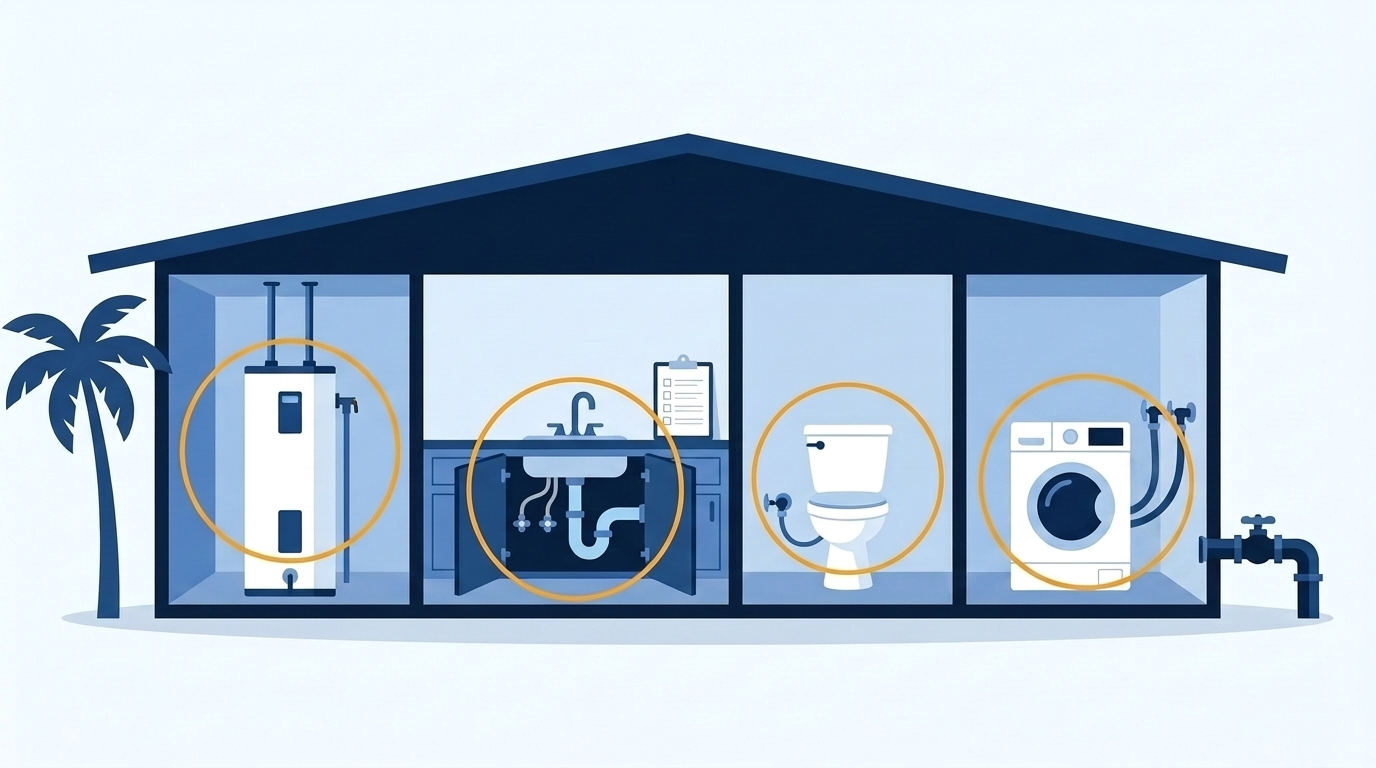
A Florida 4-point inspection checks your plumbing for leaks, active or past; for the water heater's age, location and temperature and pressure relief valve; for the condition of each fixture and appliance hookup; and for what your pipes are made of and whether they have been replaced. That list comes from the sample 4-point inspection form published by Citizens Property Insurance Corporation (Insp4pt 03 25), and the inspector backs it with photos.
The Florida Department of Financial Services' Office of the Insurance Consumer Advocate, in its guide What to Expect: Four-Point Inspection, calls the inspection commonly required by homeowners insurers in Florida and says their criteria are generally similar but can vary slightly, so your own carrier's form may differ in the details.
When Does a Home Need a 4-Point Inspection in Stuart?
When the insurer you are applying to asks for one, and at Citizens that turns on the home's age. Citizens' inspections page says it requires a 4-point inspection for all property owner, dwelling and mobile home applications for properties more than 20 years old.
That 20-year line is Citizens' own underwriting rule. Its December 2021 bulletin to agents announced the change from 30 years to 20, among rule updates the Florida Office of Insurance Regulation approved for policies effective on or after February 1, 2022. Other insurers make their own call: the Insurance Consumer Advocate's guide says some insurance companies mandate the inspection, so if your carrier is not Citizens, ask your agent whether it wants one, and at what age.
In Stuart, plenty of homes are past Citizens' line. About four in five housing units in the city of Stuart were built before 2000, according to the U.S. Census Bureau's American Community Survey 5-year estimates for 2020 to 2024. A house built that long ago is more than 20 years old, so a new Citizens application on it comes with a 4-point inspection.
The inspection is narrower than a full home inspection: the Insurance Consumer Advocate's guide says it is limited to roofing, electrical, plumbing and HVAC, and this post stays with the plumbing. Citizens' form says it must be completed, signed and dated by a verifiable Florida-licensed professional, such as a general, residential or building contractor, a building code inspector or a home inspector, and that a trade-specific, licensed professional may sign off only on the section for their own trade. Ask your agent which sections the carrier accepts from whom.
What Plumbing Items Does a 4-Point Inspector Look for in Stuart?
On Citizens' form, four things: the water heater, signs of a leak, the condition of each fixture and appliance hookup, and the age and type of the pipes. The table below lists the plumbing lines on the form.
The water heater comes up more than once: the form asks whether it has a temperature and pressure relief valve, where it is and how old it is, and rates its condition with the fixtures. If your heater's age is a mystery, our guide to reading a water heater's age from its label shows where to find it.
Leaks get two yes-or-no questions on the form, one for an active leak and one for a prior leak, so a stain from a drip that was fixed long ago can still make the report. Fixtures and hookups are rated one by one, and anything marked Unsatisfactory needs a comment; the form's prompt for it names leaks, wet or soft spots, mold, corrosion, and grout or caulk. For example, a toilet rocking on a soft spot in the floor or a washing machine hose weeping at its valve is what that comment is for.
The photos are where a little preparation helps: the form calls for pictures of the water heater, the plumbing and drains under the cabinets, and exposed valves, so each of those needs to be where the inspector can see and photograph it.
| On Citizens' form | How it is answered |
|---|---|
| Is there a temperature pressure relief valve on the water heater? | Yes or No |
| Is there any indication of an active leak? | Yes or No |
| Is there any indication of a prior leak? | Yes or No |
| Water heater location and age | Written in |
| Dishwasher, refrigerator, washing machine, water heater, showers and tubs, toilets, sinks, sump pump, main shut-off valve, all other visible plumbing | Satisfactory, Unsatisfactory or N/A |
| Age of the supply piping and of the drain piping | Original to home, completely re-piped or partially re-piped, with the year and extent of any work |
| Type of pipes | Check all that apply, with the install year for PEX |
Which Pipe Types Does the 4-Point Form Record in Older Stuart Homes?
Citizens' form lists copper, PEX (with a line for the year it was installed), PVC or CPVC, galvanized, cast iron, polybutylene and ABS, plus a box for anything else, under the heading "Type of pipes (check all that apply)." So a house with more than one material gets more than one box.
Older homes are common in Stuart: nearly half of the city's housing units were built before 1980, according to the same Census estimates. In a home that age, the form's two piping-age questions matter as much: whether the supply piping and the drain piping are each original to the home, completely re-piped or partially re-piped, with the year and extent of any work. For example, a house with PEX supply lines from a remodel and its original drains would check PEX, with its year, plus the drain material, and mark the supply side re-piped and the drain side original.
Of those pipe types, polybutylene is the one Citizens' April 2022 clarification of its eligibility rules singles out: it says Citizens will not insure a home more than 20 years old that has polybutylene piping when the application is new business, under two of its homeowners forms, HO-3 and HO-8. Our guide to polybutylene pipes in Florida homes covers that rule and how to spot the pipe.
Galvanized and cast iron are on the same list. The form records them, that clarification does not name either one, and their condition shows up in the leak and condition lines and the comments, as any pipe's would. If your home has either, ask your agent how your carrier treats it.
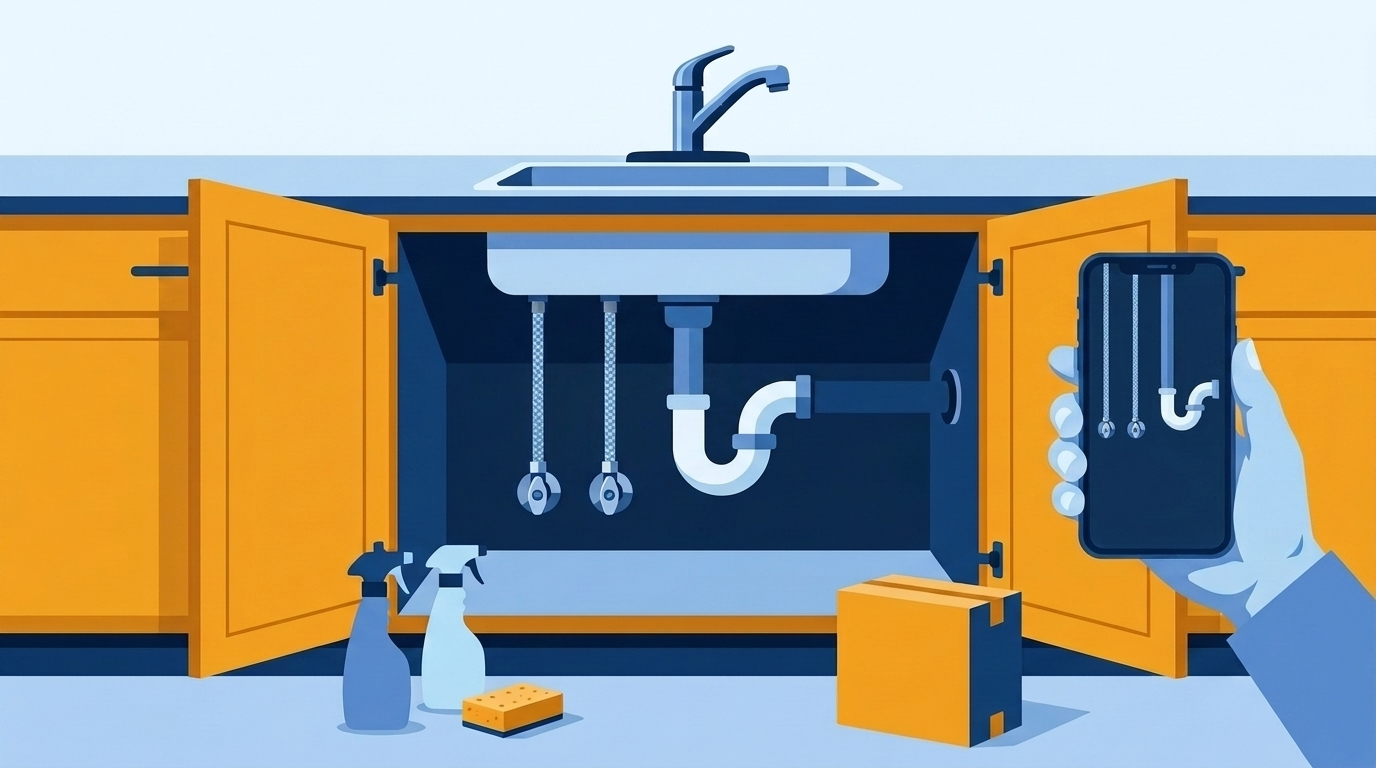
A clean report on an old pipe is not a clean bill of health, though, and galvanized pipe shows why. The East Bay Municipal Utility District, a public water utility in California, explains on its page about galvanized iron pipes that the pipe is iron or steel with a protective zinc coating, and that once the zinc is gone, the iron rusts and corrosion deposits can build up inside the pipe. That buildup is out of sight. The form says as much about itself: Citizens uses it to determine insurability, and it "is not a warranty or assurance of the suitability, fitness or longevity of any of the systems inspected."
What Happens if a 4-Point Inspection Finds a Leak in Stuart?
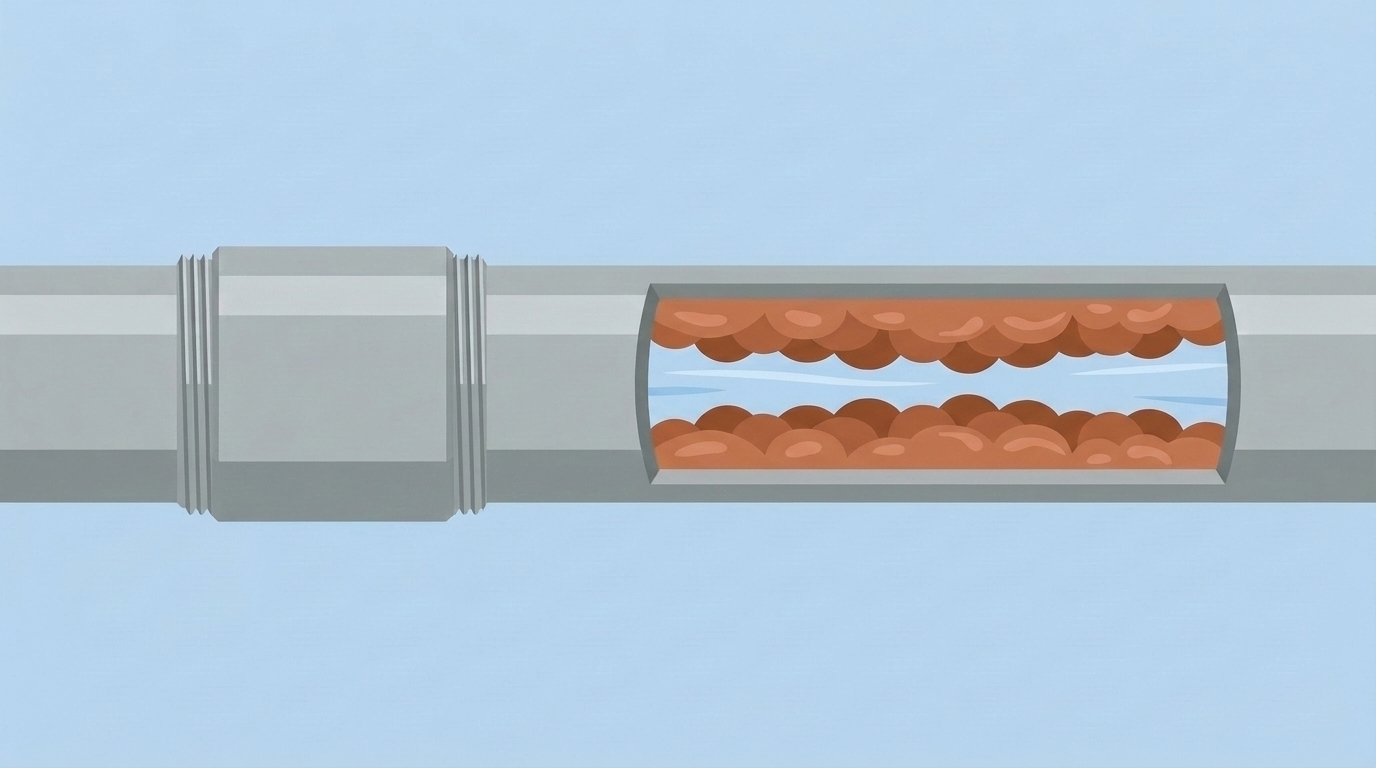
The inspector records it, and under Citizens' rules it should be fixed before your application goes in. On the form, that means a Yes on the active-leak question, an Unsatisfactory mark with a comment on the fixture involved, and a photo, since the form's photo list covers all hazards or deficiencies noted in the report.
Two Citizens texts set that order. Citizens' inspections page says serious hazards or deficiencies, such as active leaks or evidence of leaks, should be repaired before an application for coverage is submitted, and the form's note to agents says they may not submit applications for properties with plumbing systems not in good working order or with existing hazards or deficiencies.
That is what people mean by failing a 4-point inspection, but the form has no pass or fail box. The inspector certifies each system's condition, Citizens' form defines Acceptable Condition as each system working as intended with no visible hazards or deficiencies, and whether to insure the home is the insurer's decision. The Insurance Consumer Advocate's guide puts it in general terms: depending on the findings, you may need to complete repairs before an insurance company will issue a policy.
So fix the leak and any damage it left, since the form's comment prompt names wet or soft spots and mold alongside leaks. Then keep the paperwork, and ask your inspector what they need to bring the report up to date, whether a return visit or the record of the repair: your agent reviews the form before it goes in with the application. If the leak is hidden, we do leak detection.
When Should You Fix Plumbing Before a 4-Point Inspection in Stuart?
Before your application goes in, at the latest. That is when Citizens' inspections page says active leaks, evidence of leaks and other serious hazards or deficiencies should be repaired, and the Insurance Consumer Advocate's guide says to address any identified hazards or deficiencies promptly.
Citizens' form records the plumbing as the inspector finds it on the date inspected, from the two leak questions to the fixture ratings and the photos. So a leak repaired before the visit is not an active leak that day, and one repaired after it is already on the report your agent reviews before it goes in with the application.
Use the form's plumbing lines in the table above as your checklist: look at each fixture and appliance connection on it, under each sink included, for drips, damp or soft spots, corrosion, mold and failing grout or caulk.
Then gather the paperwork. Citizens' form says its comments section must give full details of any updates, and its Updates line asks for the types of updates, the dates completed and by whom. An invoice for a replaced water heater, a repaired leak or a repipe answers all three, so keep it handy for the inspector.
A repipe is the biggest of these fixes. The form records a replaced supply system as completely or partially re-piped, with the year and extent of the work, and PEX gets its install year on the pipe-type line. Doing that work first means the report describes the new system, not the old one; whether the insurer accepts the home stays the carrier's decision. We do whole-house repiping and work out of Port St. Lucie, and our post on what a repipe can cost in Port St. Lucie covers pricing.
Whether you repair before or after the visit, how recent the report must be is up to each insurer, the Insurance Consumer Advocate's guide says, so ask your agent before you book.
The Bottom Line on 4-Point Plumbing Checks in Stuart
On Citizens' form, the plumbing part of a Florida 4-point inspection covers the water heater, signs of a leak, the condition of each fixture and appliance hookup, and the age and type of the pipes. Citizens asks for one with applications on homes more than 20 years old, and other insurers make their own call.
The form records galvanized and cast iron like any other pipe; polybutylene is the one Citizens' 2022 clarification singles out. Under Citizens' rules, a leak should be repaired before your application goes in, and the form has no pass or fail box, since the insurer decides. The form records your plumbing as the inspector finds it on the date inspected. Keep the paperwork its Updates line asks for, and ask your agent how recent the report must be. If you need a leak found, a water heater replaced or a repipe before you apply, we work across Martin County, Stuart included.