
What Are the Signs of a Slab Leak in Port St. Lucie?
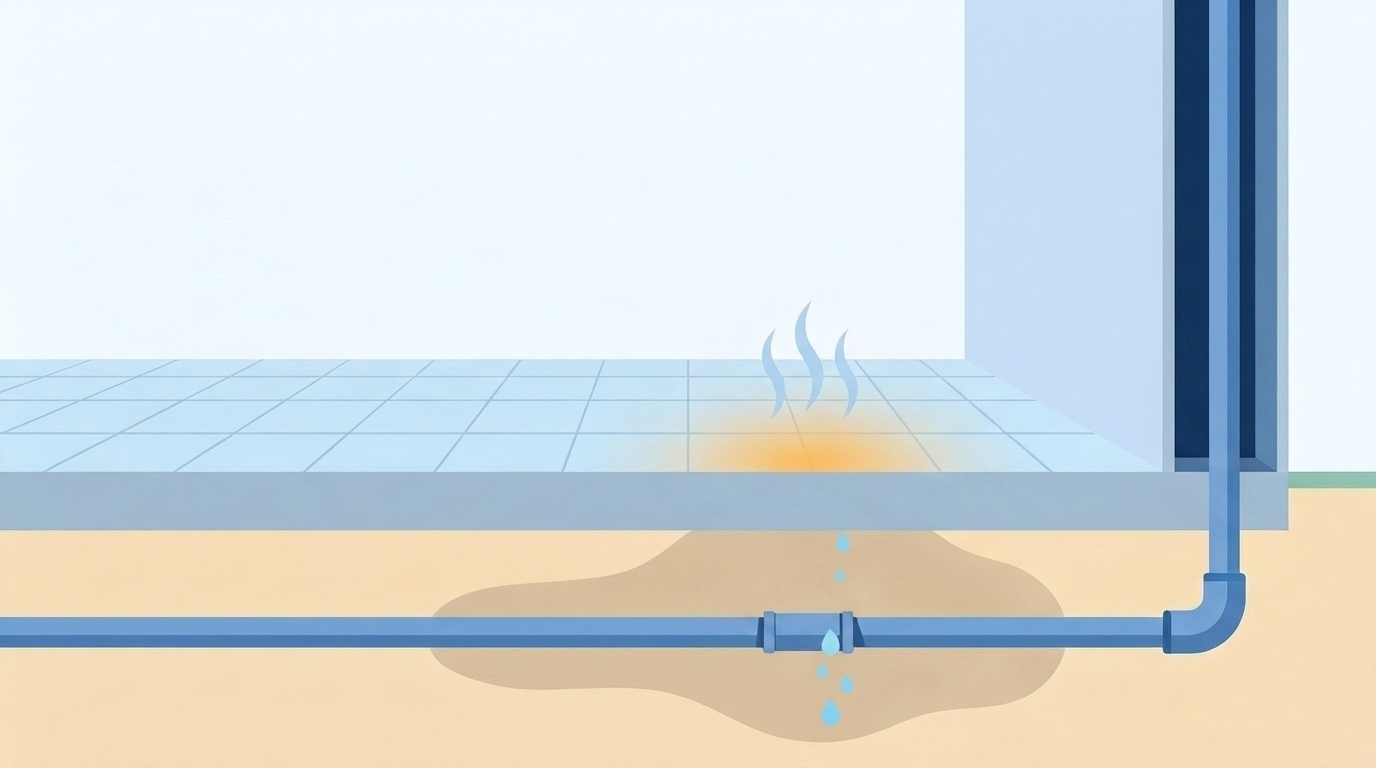
The signs of a slab leak in a Port St. Lucie home tend to show at floor level rather than on a wall: a warm spot underfoot, the sound of water running under the floor with every fixture off, and a damp patch in the middle of a room with nothing above it. A water heater that keeps working when nobody is using hot water can point to a leaking hot line. A water meter that moves while the house is quiet tells you there is a leak somewhere, and the floor signs are what point it under the slab.
If the City of Port St. Lucie supplies your water, its Utility Systems Department's two-step meter check can narrow the search further, though it cannot prove a slab leak on its own.
Why Do Slab Leaks Stay Hidden So Long in Port St. Lucie Homes?
Because a slab-built home gives a leak nowhere to show. A slab leak is a leak in a water line that runs in or under the concrete slab the house sits on, and the house has no basement or crawl space where anyone could see it. Depending on how the house was plumbed, water lines can run under the slab or come up through it to the fixtures, and when one fails, there is usually no drip to find.
The concrete hides the rest. Water escaping under a slab can soak into the fill and soil beneath the house for a long time before enough of it works up through the concrete to reach the flooring. For example, a slow leak on a cold line gives off no warmth and may be too quiet to hear over a household's everyday noise, so it can run with nothing to see at all.
A pipe down there can fail from corrosion, from wear where it presses against concrete or stone, or from movement in the ground beneath the house, and none of it shows in the room above. So in a slab-built Port St. Lucie home, the first clues tend to be indirect: something you feel underfoot, something you hear when the house is quiet, or a number on the water meter.
Which Signs Point to a Slab Leak Instead of a Wall Leak in Port St. Lucie?
Where the clue shows up is the tell: signs that come up through the floor point under the slab, and signs on a wall or ceiling point into the wall or above it. In a slab-built Port St. Lucie home, these are the slab signs, ranked by how far each one narrows the search:
- A warm spot on the floor. A hot-water line leaking under the slab can warm the concrete above it, so one patch of floor feels warmer than the rest. Sun through a window or a warm appliance can heat a patch of floor too, so rule those out first.
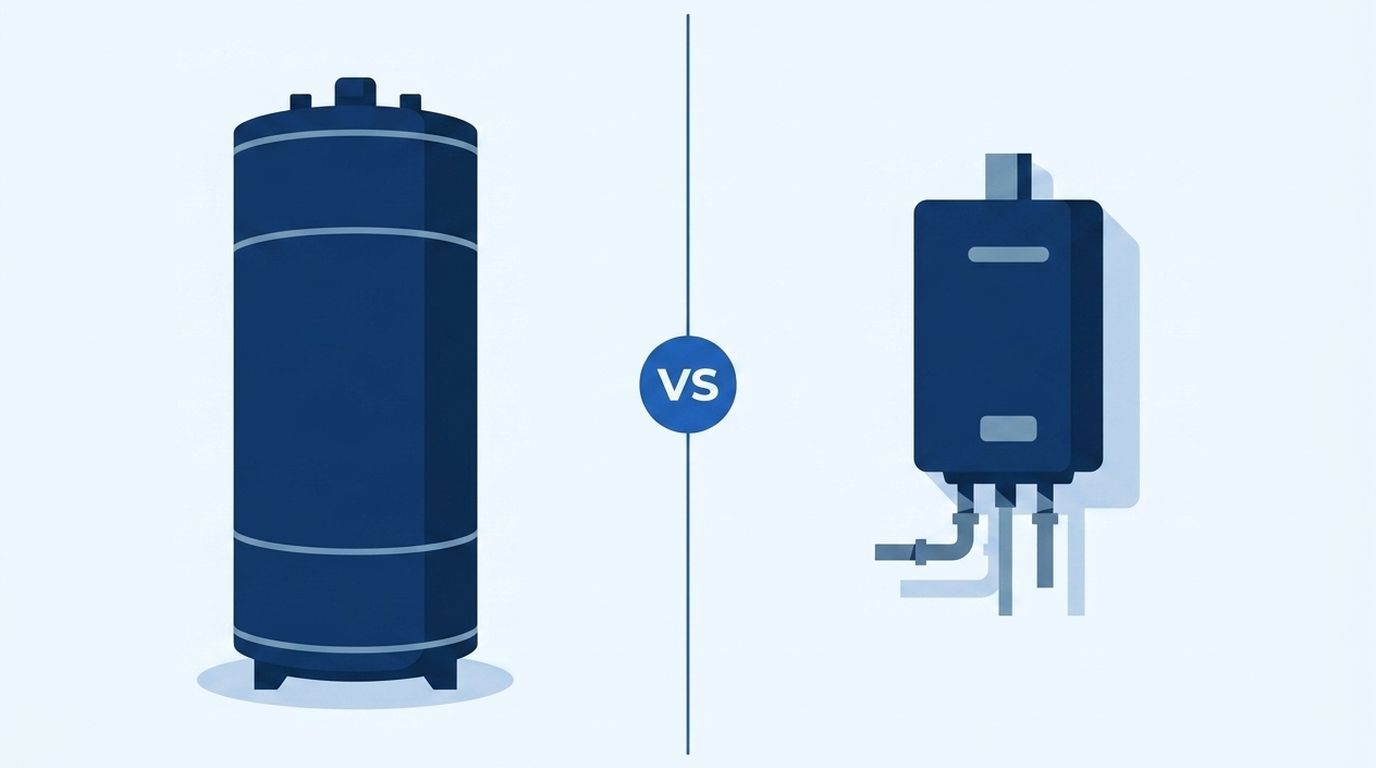
- A water heater that works when nobody is using hot water. With a tank water heater, a leak on a hot line keeps drawing hot water, so cold water keeps flowing in and the heater keeps reheating it in a quiet house, and hot water may run out sooner than it used to. Alone, it points to the hot side of the plumbing, not to a spot; with a warm spot on the floor, a hot line under the slab becomes the likeliest suspect.
- Running water you can hear under the floor. With every faucet, toilet and water-using appliance off, a hiss or trickle that seems to come from the floor rather than a wall points down. It ranks last because sound carries along pipes, so where you hear it is not always where the leak is.
A wall leak tends to show on the wall: a stain or bubbling paint that starts above the floor, or a sound you can place behind a bathroom or kitchen wall. A ceiling stain points up. Damp can go either way: a damp patch in the middle of a room, away from walls, fixtures and appliances, suggests water coming up from below, while damp along the bottom of a wall can come from inside the wall or up out of the slab.
A climbing water bill or weaker pressure across the house can point to a leak somewhere, not to where, and our guide to the signs of a hidden water leak covers those general signs.
How Can a Meter Test Narrow Down a Slab Leak in Port St. Lucie?
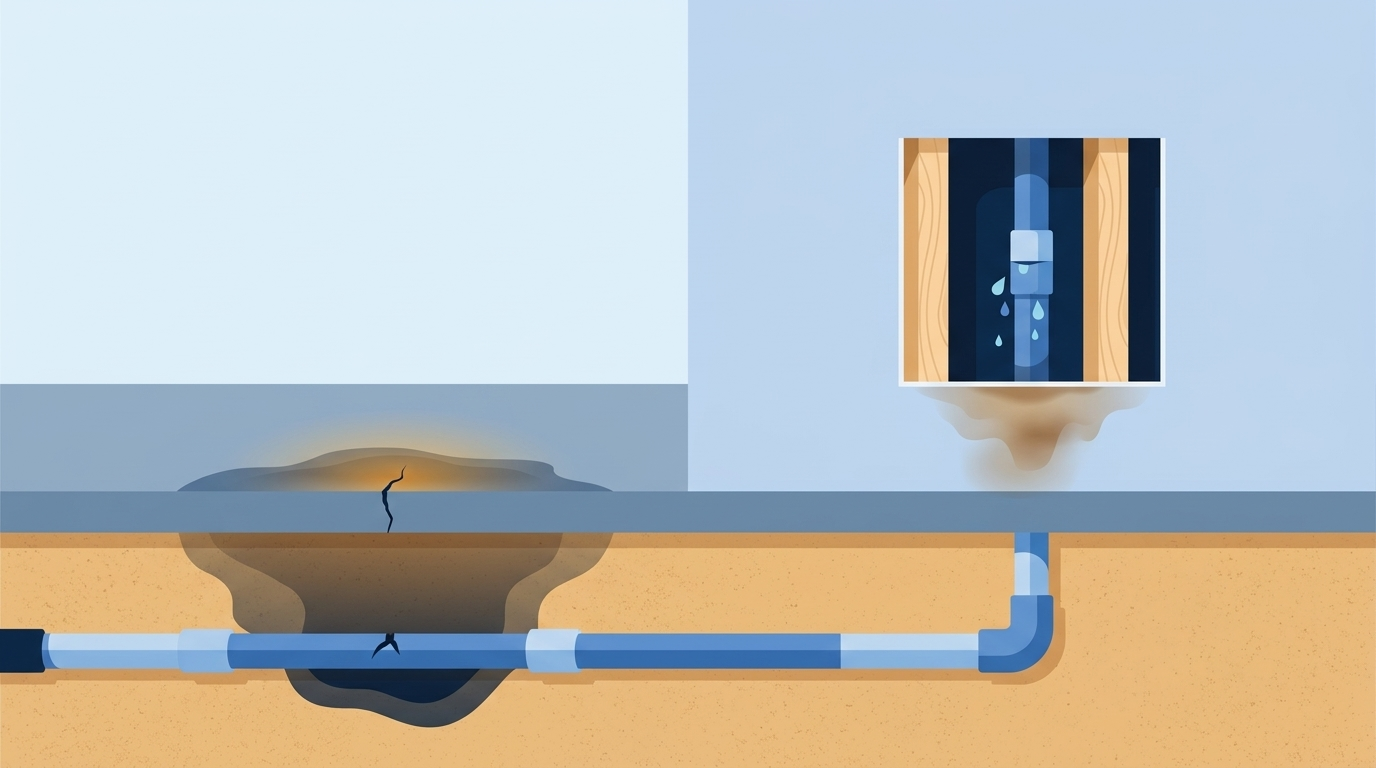
By telling you which side of your house valve the water is leaving from. It cannot prove a slab leak, since a leak in the line from the meter to the house moves the meter too, but it can rule out part of the system first.
If the City of Port St. Lucie supplies your water, its Utility Systems Department's Residential Customer Service Guide sets out a 2-hour leak check, run twice. First, know which valve is yours to close. The City's New Customers FAQ says you may shut off your own water, but only at your house valve: only authorized City personnel have access to the City's pipes and meters, and any loss or damage to City property is the customer's responsibility. If you are not sure which valve that is, or how to close it without breaking it, our guide to turning off the water to a Port St. Lucie house covers both.
The guide explains that your meter sits outside your home in a plastic box in the ground, that the City's Connection Support staff will help if you cannot find or read it, and how to read it: lift the box lid and open the cover on the meter face to the sun, and the display lights up so you can read it like a car's odometer. Then run the check in this order:
- Make sure no water is being used and every tap is off.
- Read the meter.
- Use no water for about 2 hours, the window the guide gives.
- Read the meter again and compare. The guide says different readings mean you have a leak.
- To narrow down the source, shut off your main house valve and run the test again.
If usage still registers with the house valve shut, the guide puts the problem in your plumber's line, its name for the water line from the meter to the home; if not, it says the problem is likely somewhere in the home, which can mean a running toilet or a dripping faucet as well as a pipe under the floor. That is where the signs above come in.
Either way, the fix is yours to arrange: the guide says all lines and plumbing beyond the meter are private property, the owner's to maintain and repair. In St. Lucie West, the water comes from the St. Lucie West Services District instead, a separate utility with its own meters and its own leak guidance.
If the check points inside the house and the water heater clue fits, pass both on to the plumber. Isolating the water heater lets a plumber separate the hot lines from the cold before anyone opens a floor.
What Can a Hidden Slab Leak Damage in a Port St. Lucie Home Before You Notice It?
The floor first, then the air in the room, and given long enough, the ground under the slab. The St. Lucie West Services District, the water utility for the St. Lucie West area of Port St. Lucie, says on its leak page that even small leaks can weaken walls, floors and foundations over time, and that moisture from leaks often creates ideal conditions for mold and mildew.
In a slab-built home, the damage starts at floor level. For example, water working up through the concrete can loosen tile, cup wood flooring, swell laminate and soak the pad under carpet, sometimes well away from any fixture. Mold can take hold under flooring and behind baseboards where nobody looks, and a musty smell at floor level can be the first thing you notice. Over a longer stretch, water can soften or wash out the soil the slab rests on, and cracks can follow, though cracks in tile, drywall or concrete have plenty of other causes, so a crack alone does not prove a leak.
Your bill can be slow to show it, too. City of Port St. Lucie customers are billed in thousand-gallon increments, the City's Utility Billing and Accounts FAQ explains, so a small leak can run for a while before the usage on the bill changes; our guide to why a Port St. Lucie water bill runs high shows how those steps work. All the while, the water can be working on the floor.
When Does a Second Slab Leak Mean It Is Time to Repipe in Port St. Lucie?
When the second leak turns up in the same under-slab plumbing as the first. One leak can have a local cause, such as a single bad joint or a spot where the pipe rubbed against concrete. A second one in the same lines raises the question of whether the pipe itself is the problem, and that is the point to weigh a repipe against another spot repair.
Multiple leaks are usually the time to discuss a whole-house reroute or relining with a plumber, especially if the pipes are starting to deteriorate. In a reroute, a new pipe bypasses the faulty one, which stays in place with no water flowing to it, and the new pipe may run through the attic or a wall, keeping the slab intact.
None of that is a verdict on your house. A repipe is a bigger job than a spot repair, so go into the decision with the leak history in hand: where each leak was, when it happened and which line it was on. We do whole-house repiping, and that history helps either way.
First, though, the leak in front of you has to be found, and under concrete that is a job for leak detection equipment, not guesswork. We do leak detection, and our slab leak repair service is the place to start if the signs above sound familiar. We work out of Port St. Lucie and cover homes across St. Lucie County.
The Bottom Line on Slab Leak Signs in Port St. Lucie
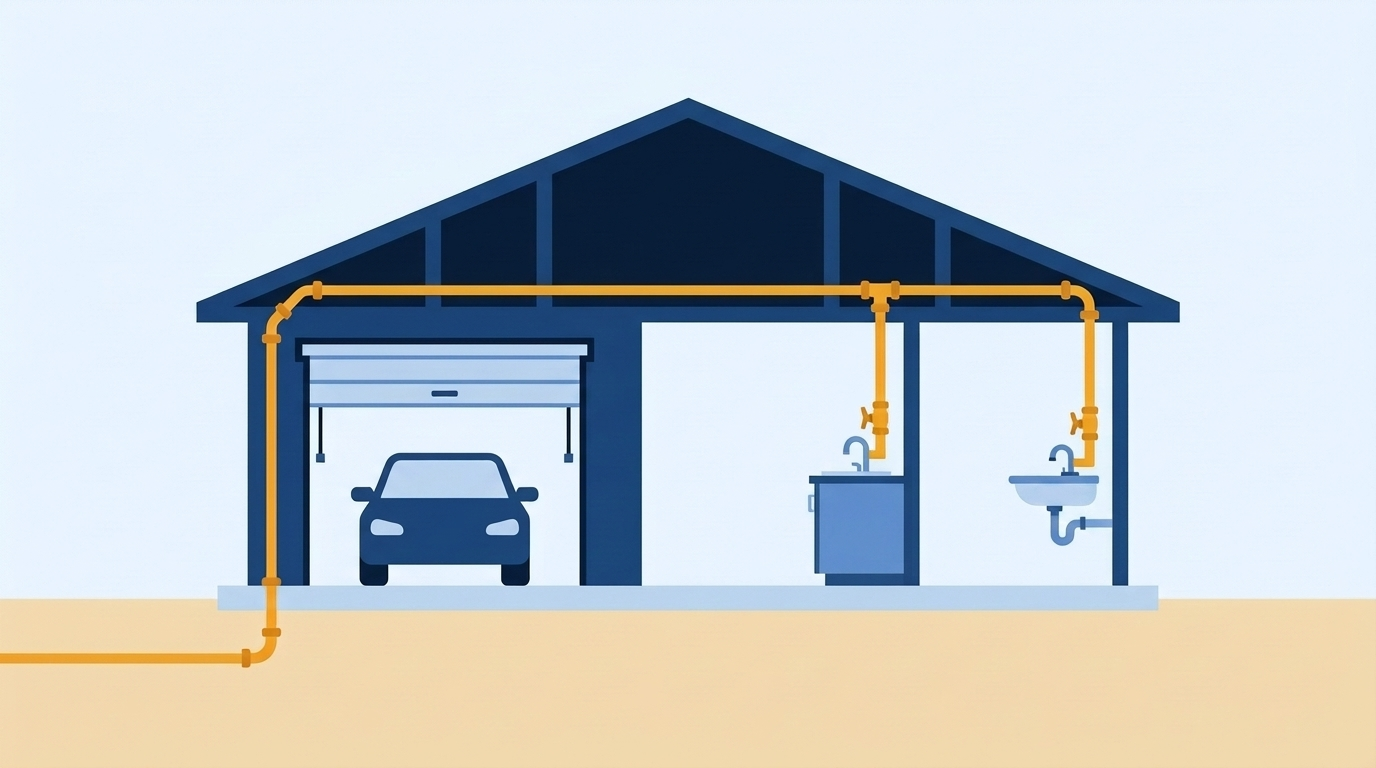
In a slab-built Port St. Lucie home, the slab signs are a warm spot on the floor, a water heater that works when nobody is using hot water and running water you can hear under the floor, with a damp patch in the middle of a room pointing the same way. A stain or bubbling paint on a wall tends to point into the wall instead.
If the City of Port St. Lucie supplies your water, its two-step meter check can narrow the search without proving a slab leak: usage that still registers with the house valve shut puts the problem in the line from the meter to the home, and a meter that stops means it is likely somewhere in the home. A leak left running can loosen flooring, feed mold and, given long enough, soften the ground under the slab. For City customers, thousand-gallon billing can keep a small leak off the bill for a while. A second slab leak in the same plumbing is the point to weigh a repipe.